FG insists Nigeria safe as US pulls embassy officials
FG insists Nigeria safe as US pulls embassy officials
FG Reassures on Safety as US Orders Partial Embassy Evacuation
The Federal Government has reassured Nigerians and the international community that the country remains safe for residents and visitors, despite the United States’ decision to evacuate non-emergency staff and their families from its embassy in Abuja.
The reassurance followed a directive by the US Department of State authorising the departure of non-essential personnel, citing security concerns across several parts of the country.
While the US listed 23 states under varying levels of travel restrictions, the Federal Government on Thursday insisted that Nigeria continues to maintain a stable security environment and urged citizens to remain calm.
In addition to the evacuation order, the US Embassy in Abuja suspended visa appointments, advising applicants to monitor their emails for rescheduled dates. However, visa operations at the US Consulate General in Lagos remain ongoing, while emergency and appointment-based services for American citizens continue.
In an updated travel advisory effective April 8, 2026, the US government urged its citizens to reconsider travel to Nigeria, maintaining the country’s overall status at “Level 3: Reconsider Travel,” while designating several states as “Level 4: Do Not Travel.”
States listed under the highest risk category include Borno, Yobe, Kogi, Kwara, Niger, Plateau, Taraba, Jigawa and parts of Adamawa, due to threats of terrorism, crime and kidnapping. Others highlighted as high-risk include Bauchi, Gombe, Kaduna, Kano, Katsina, Sokoto and Zamfara.
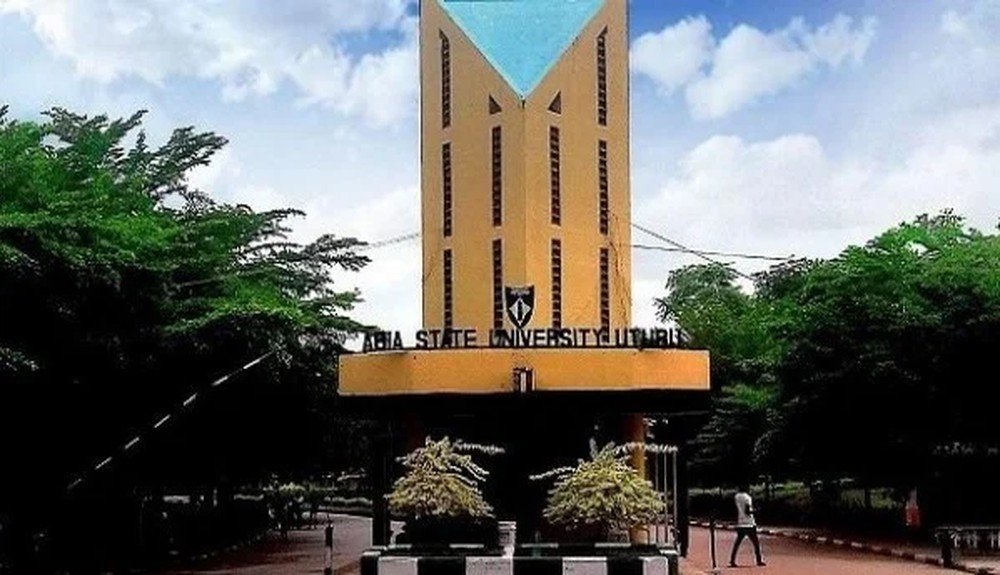
In the southern and South-East regions, the advisory cautioned against travel to Abia, Anambra, Bayelsa, Delta, Enugu, Imo and Rivers states—excluding Port Harcourt—over similar concerns.
The advisory warned that security conditions in affected areas remain unstable and unpredictable, citing risks such as armed robbery, kidnapping, inter-communal violence and roadside banditry. It also noted the potential for terrorist attacks in public spaces, including markets, hotels, places of worship and other crowded locations.
Additionally, the US flagged concerns over Nigeria’s healthcare system, describing it as limited and inconsistent, and advised its citizens to take precautionary measures, including enrolling in safety programmes and avoiding large gatherings.
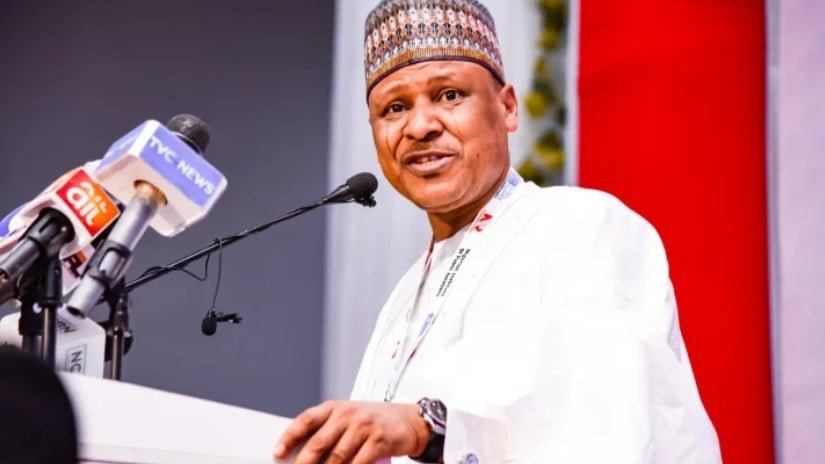
Responding, the Minister of Information and National Orientation, Mohammed Idris, described the US action as precautionary and not reflective of the overall security situation in Nigeria.
In a statement issued by his media aide, Rabiu Ibrahim, the minister said, “While we acknowledge isolated security challenges in some areas, there is no general breakdown of law and order, and the vast majority of the country remains stable.”
He highlighted ongoing military operations, intelligence-driven interventions and improved inter-agency collaboration as key factors contributing to enhanced security across the country.
“Our security agencies remain actively engaged in protecting lives and property, and the results of these efforts are increasingly evident,” he said.
Idris added that recent operations have disrupted criminal networks, curtailed the activities of armed groups and improved safety in vulnerable communities.
He further stressed that Nigeria remains open for business, investment and tourism, urging international partners to engage with Nigerian authorities for accurate and up-to-date information.
The government reiterated its commitment to sustaining security gains and ensuring the safety of citizens and visitors alike.
The latest advisory mirrors a similar move in October 2022, when the US Embassy issued warnings over a heightened risk of terrorist attacks in Abuja and authorised the departure of non-emergency personnel and their families.
At the time, embassy operations were limited to emergency services in Abuja, with routine and other services handled by the consulate in Lagos.